Monitoring Energy Usage
Shedding light on invisible consumption and taking control of your utility bills.
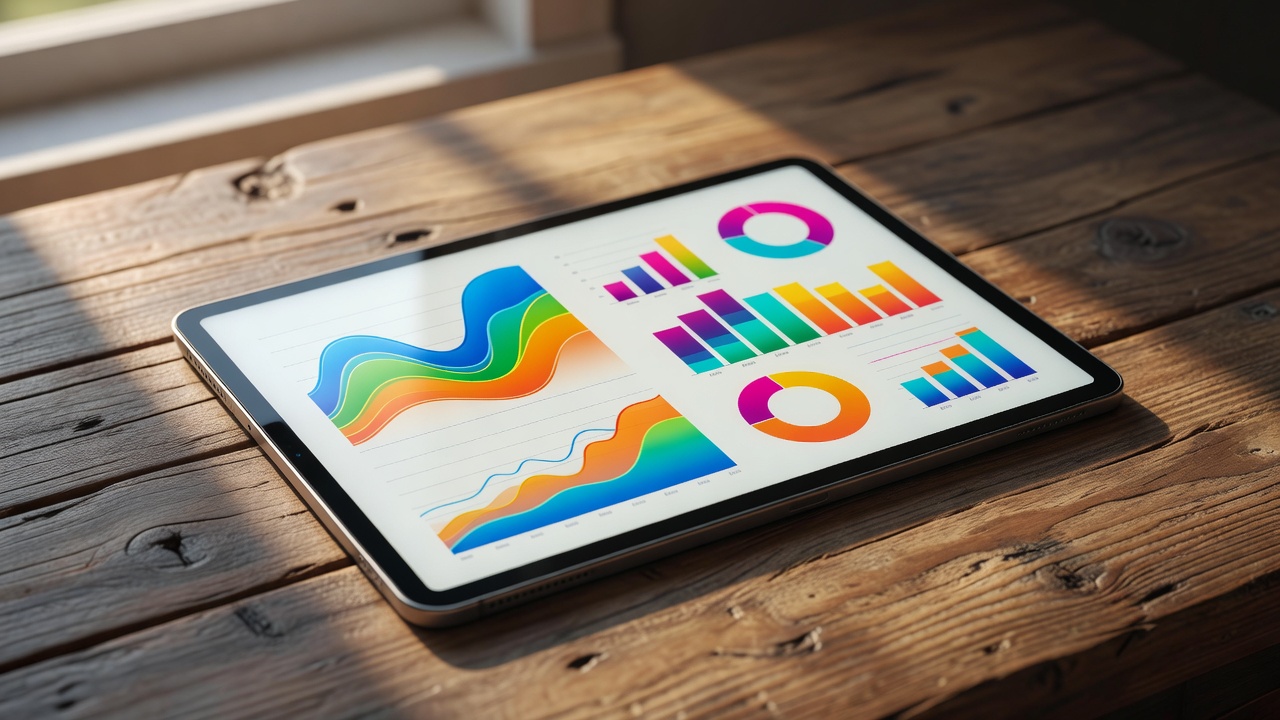
Making the Invisible Visible
Electricity is inherently abstract; we cannot see it being consumed, only the end result. Consequently, most households are shocked when their monthly utility bill arrives. Smart energy monitors change this dynamic by providing real-time data visualization of exactly how and where power is being drawn in your home. By understanding consumption patterns, you can make informed decisions that drastically reduce waste.
Plug-Level Monitoring
The simplest entry point into energy monitoring is the smart plug. While primarily used to remotely switch devices on and off, high-quality smart plugs contain internal sensors that measure the wattage passing through them. By plugging an older refrigerator, a gaming PC, or a television into a smart plug, the companion app will track the energy drawn over hours, days, and months.
This is particularly useful for identifying "phantom loads" or "vampire power." Many modern electronics, especially entertainment centers and smart TVs, continue to draw significant wattage even when turned off in order to remain ready for instant activation. A smart plug allows you to measure this standby drain and, if necessary, set a schedule to cut power completely during the night.
Whole-Home CT Monitors
For a comprehensive view, whole-home energy monitors are installed directly into your main electrical panel. These systems utilize Current Transformer (CT) clamps that clip around the main incoming power mains. By measuring the magnetic field generated by the alternating current, they accurately calculate the total wattage being consumed by the entire house in real time.
The magic of modern whole-home monitors lies in machine learning. By analyzing the high-frequency electrical noise on your mains, advanced monitors attempt to identify individual appliance signatures. For example, a microwave has a distinctly different electrical profile than an air conditioning compressor. Over time, the app categorizes your total usage, showing you exactly how much your HVAC, water heater, and lighting are costing you independently.
Smart Meters vs. Third-Party Monitors
Many utility companies are rolling out smart meters, which do transmit usage data back to the provider. However, the data provided to the consumer via utility portals is often delayed by 24 hours and lacks granularity. Third-party energy monitors provide instantaneous feedback. Turning on a kettle will immediately reflect as a massive spike on your smartphone screen, establishing a direct psychological link between action and energy consumption.
Conclusion
An energy monitor does not save money on its own; it provides the insight required for you to change your habits. By utilizing plug-level monitors to isolate inefficient devices and whole-home systems to track overall trends, you empower yourself to eliminate waste, lower your carbon footprint, and significantly reduce your monthly utility expenses.