Home Security Demystified
Navigating the complex landscape of smart cameras, locks, and digital privacy.
The Modern Perimeter
The concept of home security has transformed from clunky numeric keypads and analog sirens to a proactive, connected network. Today's security ecosystem aims to alert you to an issue before an intrusion occurs, utilizing advanced optics, machine learning, and instant mobile notifications.
Video Doorbells: The Frontline of Defense
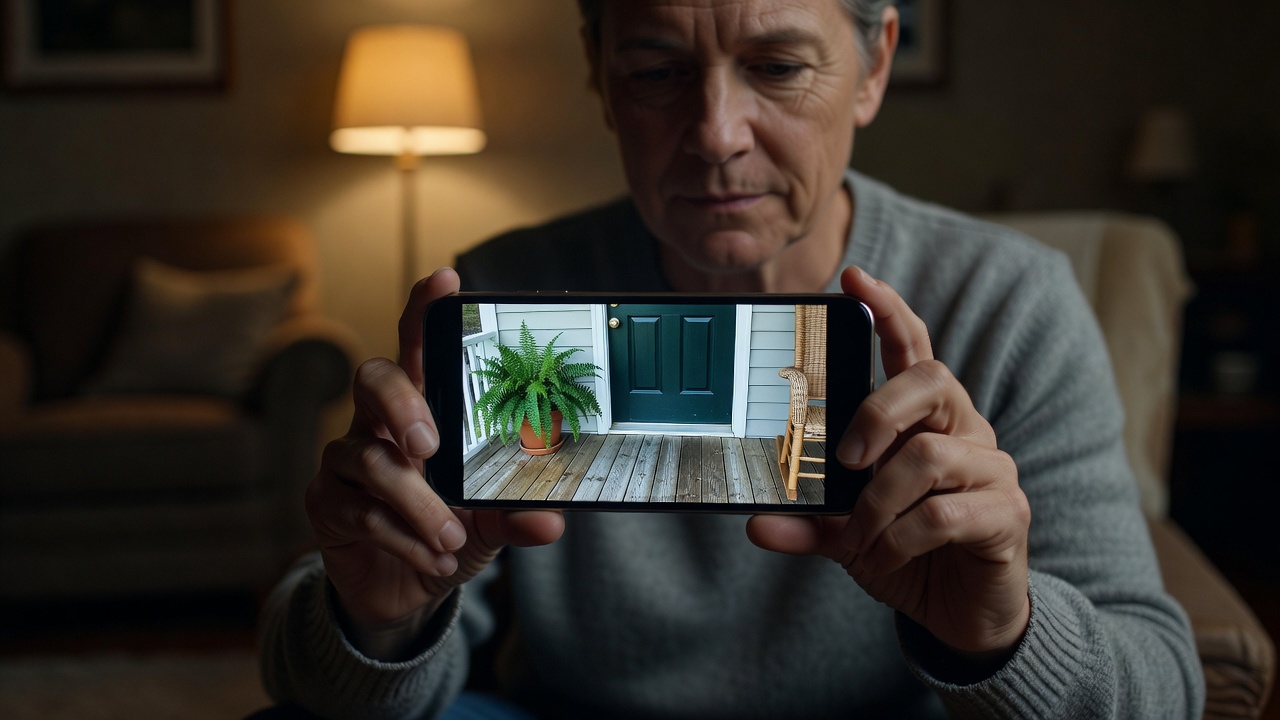
The video doorbell has become the cornerstone of smart home security. These devices replace standard doorbell buttons, offering a wide-angle view of your porch. When assessing a video doorbell, consider the field of view: a taller aspect ratio (like 1:1 or 3:4) allows you to see packages left directly at the base of the door, whereas traditional 16:9 ratios only show visitors' faces.
Power delivery is another crucial factor. Hardwired doorbells draw continuous power from existing doorbell transformer wiring, enabling pre-roll features (recording seconds before motion is detected). Battery-powered models are easier to install but must wake up from a sleep state upon detecting motion, sometimes causing a delay in recording.
Smart Locks and Access Control
Smart locks fundamentally change how we grant access to our homes. Instead of hiding physical keys, you can generate temporary PIN codes for guests, contractors, or dog walkers. The primary communication protocols include:
- Bluetooth: Connects directly to your phone when nearby. Highly secure and doesn't drain battery quickly, but requires a secondary Wi-Fi bridge for remote access.
- Wi-Fi: Connects directly to your router. Easy to manage remotely without a bridge, but typically requires more frequent battery replacements.
- Z-Wave / Zigbee: Requires a dedicated smart home hub. Offers excellent battery life and integrates seamlessly into complex home automation routines (e.g., unlocking the door automatically turns on the hallway lights).
Storage Solutions: Local vs. Cloud
A critical decision in setting up security cameras is how footage is stored. The industry has heavily pivoted toward cloud storage subscriptions, where footage is uploaded to remote servers. This provides off-site backup—meaning if the camera is stolen, the footage of the theft is preserved. However, this incurs recurring monthly costs.
Alternatively, many systems now offer local storage via MicroSD cards in the cameras themselves or a central Network Video Recorder (NVR) hub inside the house. Local storage requires no subscription fees and keeps your video data entirely within your network, though it lacks the off-site redundancy of cloud solutions unless manually configured.
The Privacy Paradigm
Bringing internet-connected cameras and microphones into your living spaces requires a firm understanding of data privacy. It is highly recommended to seek out camera ecosystems that offer End-to-End Encryption (E2EE). With E2EE enabled, the video files are encrypted at the camera level, and the decryption key resides only on your trusted mobile device. This means that even if the camera company's servers are compromised, the attackers would only access unreadable, scrambled data.
For indoor cameras, look for physical privacy shutters. A physical barrier sliding over the lens provides definitive, visual confirmation that the camera is not recording when you are home.
Conclusion
Building a smart home security system is an exercise in balancing convenience, vigilance, and privacy. Start with the perimeter—a robust video doorbell and a reliable smart lock—before expanding to dedicated outdoor and indoor cameras. Always prioritize ecosystems that clearly outline their data retention policies and offer robust local storage or encryption options.